Website Localization
Translation, cultural adaptation, SEO localization, and CMS integration so the localized site ranks, converts, and reads like it was written natively from day one.
Website, app, software, and content localization adapted for cultural relevance — not just translated, but rebuilt for the audience it speaks to.
Real localization rebuilds your product for the audience it serves. Tarjama's localization teams adapt your website, app, software, marketing content, and product UX for the linguistic, cultural, and regulatory expectations of each target market — across Arabic dialects, European languages, Asian markets, and the long tail of 100+ languages enterprises actually need. Every project pairs native in-region linguists with localization engineers, terminology managers, and QA reviewers, all coordinated inside the Cleverso TMS so that consistency holds from the first string to the thousandth release.
Translation, cultural adaptation, SEO localization, and CMS integration so the localized site ranks, converts, and reads like it was written natively from day one.
iOS and Android string extraction, in-context translation, screenshot localization, and store-listing optimization for Apple App Store and Google Play in every supported region.
Resource file localization, UI string handling, RTL/LTR layout adaptation, and pseudo-localization testing for desktop and web applications.
Video, audio, e-learning, and interactive content localization — including voiceover, subtitling, and animated UI element re-rendering.
Campaign copy, taglines, ad creative, and brand messaging adapted creatively — not literally — so the original intent lands in every market.
Functional, linguistic, and cosmetic QA on localized builds, with structured bug reports, terminology audits, and acceptance testing in target locales.
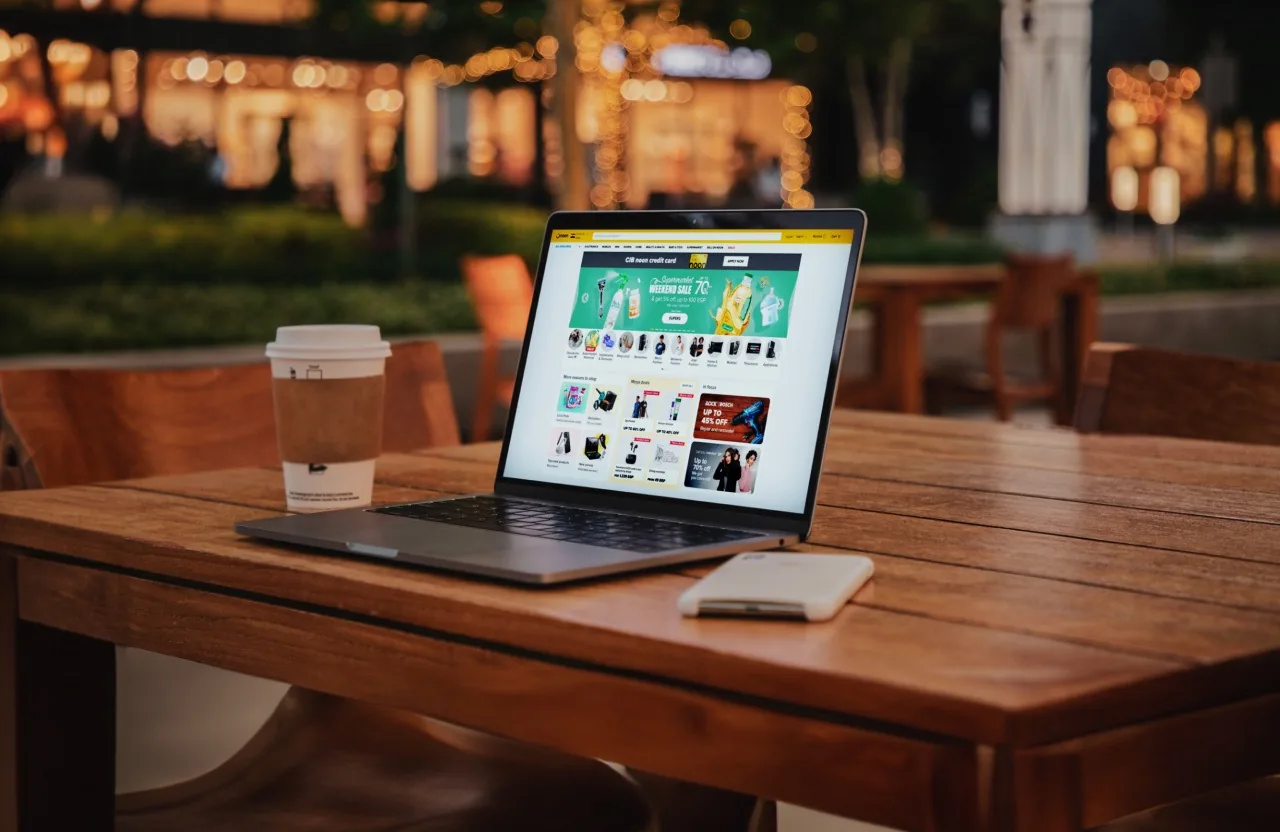
Noon, a leading MENA e-commerce platform, needed Arabic localization across a vast and constantly-changing product catalog. Tarjama deployed 100+ linguists and an optimized TMS to triple throughput while cutting cost.
Localizing for the Gulf is not a single task — it is a repeatable pipeline that turns a source product into one that feels native across Saudi Arabia, the UAE, Qatar, and the wider region. Here is how Tarjama runs it end to end.
We map your product, target GCC markets, dialects, and regulatory requirements — defining locales (ar-SA, ar-AE, ar-QA and more), content types, and the success metrics that matter to your launch.
Before a word is translated, our engineers check that your codebase, strings, and layouts are ready for Arabic — right-to-left rendering, text expansion, date/number/currency formats, and externalized strings — so localization doesn't require re-engineering later.
Native in-region linguists localize copy, UI, and imagery for each market, supported by translation memory and approved glossaries. Tone, references, and visuals are adapted so the app feels built for the region, not translated into it.
Every build is tested in context: we verify RTL mirroring, truncation, bidirectional text, and functional behavior on real screens, with a multi-layer linguistic and functional QA pass before sign-off.
We integrate with your release cycle so new strings flow through the same memory and QA pipeline on every sprint — keeping every update consistent across markets without slowing your team down.
Challenge. Esports World Cup 2025 in Riyadh needed to serve a global audience in real time across 14 languages — keeping live broadcasts, subtitles, and social updates accurate and on-brand while coordinating on-site and remote language teams across multiple venues, without ever slowing production.
Approach. Tarjama combined an on-the-ground Saudi team — two project managers, four match observers, and an on-site Arabic linguist — with a global delivery network providing round-the-clock remote interpretation, broadcast-ready subtitling and hardcoding pipelines, and a creative unit producing slates and social assets. Standardized Arabic–English glossaries, multi-layer review, and real-time channels between production and language leads held quality steady at tournament speed.
Outcome. Over 57 days, Tarjama delivered:
A single coordination layer — two on-site PMs liaising with 40+ EWC affiliate staff — kept broadcast, operations, and language teams synchronized from first match to finals. Read the full case study →
Most GCC localization projects fail for the same reasons: fragmented vendors, machine output that ignores dialect and culture, and pipelines that break the moment the next release ships. Here is how working with Tarjama differs — and why enterprises launching across Saudi Arabia, the UAE, and Qatar consolidate their language, subtitling, and creative work with a single regional partner rather than juggling several.
A team on the ground in Saudi Arabia and across the GCC, backed by a delivery network spanning multiple time zones — so you get regional nuance and around-the-clock throughput from one partner.
Instead of stitching together a translation vendor, a subtitling house, and a design agency, Tarjama runs broadcast, operations, and language workstreams through a single accountable team.
Machine translation alone misses dialect, culture, and RTL nuance. Tarjama pairs in-region human linguists with translation memory and AI tooling, so speed never costs you accuracy or brand voice.
ISO-aligned quality and security workflows, standardized glossaries, and defined QA checkpoints keep output consistent and confidential at the velocity large launches demand.
Send us your product and target locales. We'll come back with a scoped localization plan, timeline, and price — no obligation, no boilerplate.